Down Payment Options for Nashville Buyers
January 1, 2026
January 1, 2026
Think you need 20% down to buy a home in Nashville? You have more options than you might think. Many Davidson County buyers purchase with far less, including low down payment loans, local assistance, and smart ways to structure credits. If you want a clear path to keys in hand, this guide breaks down the programs, rules, and next steps to help you move forward with confidence. Let’s dive in.
Conventional financing can work with as little as 3% down through programs like Fannie Mae HomeReady and Freddie Mac Home Possible. These are for primary residences and often target first-time or low-to-moderate income buyers. If you put less than 20% down, you’ll have private mortgage insurance (PMI). The Consumer Financial Protection Bureau explains how PMI works, when it is required, and when you can remove it.
Lenders set credit score and underwriting standards, and many prefer scores in the low-to-mid 600s or higher for 3% down options. Expect variations by lender, especially when markets are competitive. Ask your lender to outline any overlays that apply to you.
FHA loans allow 3.5% down for borrowers with credit scores of 580 and higher. Borrowers with scores between 500 and 579 typically need 10% down. FHA requires mortgage insurance, including an upfront mortgage insurance premium (UFMIP), commonly 1.75% of the loan amount, plus annual MIP. See HUD’s overview of FHA mortgage insurance premiums for details and current rules.
FHA can be attractive if your credit needs flexibility or you want to maximize purchasing power with a smaller down payment.
If you’re an eligible veteran, active-duty service member, or qualifying spouse, VA financing allows 0% down and does not require monthly PMI. Most VA loans include a funding fee unless you are exempt. You can review eligibility, COE steps, and funding fee details on the VA Home Loan page.
USDA loans also offer 0% down for eligible buyers and properties. Eligibility depends on geography and income. Many urban parts of Nashville are not eligible, though some outlying areas in Davidson County or nearby counties may qualify. Always verify property eligibility using the USDA eligibility map.
The Tennessee Housing Development Agency (THDA) often provides mortgage programs and down payment assistance statewide, commonly used by Nashville buyers. Some years also include Mortgage Credit Certificate (MCC) options. Income limits, purchase price limits, and funding availability change, so check current offerings at the THDA homebuyer page or speak with a THDA-approved lender.
The Metro Nashville Office of Housing and Community Development may offer down payment help tied to certain neighborhoods or workforce initiatives, depending on funding cycles. Program windows and terms can change. Review the Metro Nashville housing programs page for current offerings and timelines.
Local nonprofits and community development organizations sometimes provide counseling, grants, or second-lien assistance. Large employers may offer housing benefits. Availability shifts over time, so it pays to research active programs early in your home search.
Gift funds are common and allowed across many loan types. Lenders will require a signed gift letter stating no repayment is expected, plus documentation of the donor’s ability to give and the transfer of funds. Acceptable donors vary by program. FHA, conventional, VA, and USDA permit gift funds, but each has its own rules. Keep the paper trail clean and ask your lender for the exact list of documents.
Seller credits can cover closing costs, prepaids, and sometimes buydown expenses. Common limits include:
Most programs do not allow seller concessions to directly cover your required minimum down payment. Structure your offer with your lender so credits stay within limits and support your goals.
Temporary buydowns, such as a 2-1 buydown, lower your interest rate for the first one or two years. The upfront cost is typically covered by seller credits, lender credits, or buyer-paid points and is held in a buydown account. At the end of the buydown period, your rate returns to the note rate.
A permanent buydown means paying discount points to reduce your interest rate for the life of the loan. The CFPB explains discount points and how to evaluate the tradeoff. Always compare the upfront cost with the time you expect to own the home and your monthly payment savings.
Conventional loans with less than 20% down require PMI, which you can often cancel later as equity grows. FHA loans include UFMIP and annual MIP that may last for the full term depending on your LTV and loan details. VA loans do not require monthly PMI but include a funding fee unless you are exempt. Compare the total monthly payment across options, not just the down payment.
Keep in mind that not all assistance programs can be stacked together. Some are forgivable second liens, others are repayable. Confirm details and lien position with your lender and the DPA provider before you write offers.
Buying in Davidson County without 20% down is not only possible, it is common. Between 0% to 3.5% down loan options, local assistance, and strategic use of seller credits or buydowns, you can shape a plan that fits your budget today and your goals tomorrow. The key is running the numbers across programs, confirming eligibility early, and writing offers that align with the rules.
If you want a local strategy session tailored to Nashville’s market, connect with Joseph Goodman. We coordinate closely with lenders, help you evaluate options, and guide you from pre-approval to closing with clear steps and strong representation.
Get in touch with Joseph to discuss your real estate needs to sell and find your home today! He’s eager to help you every step of the way.
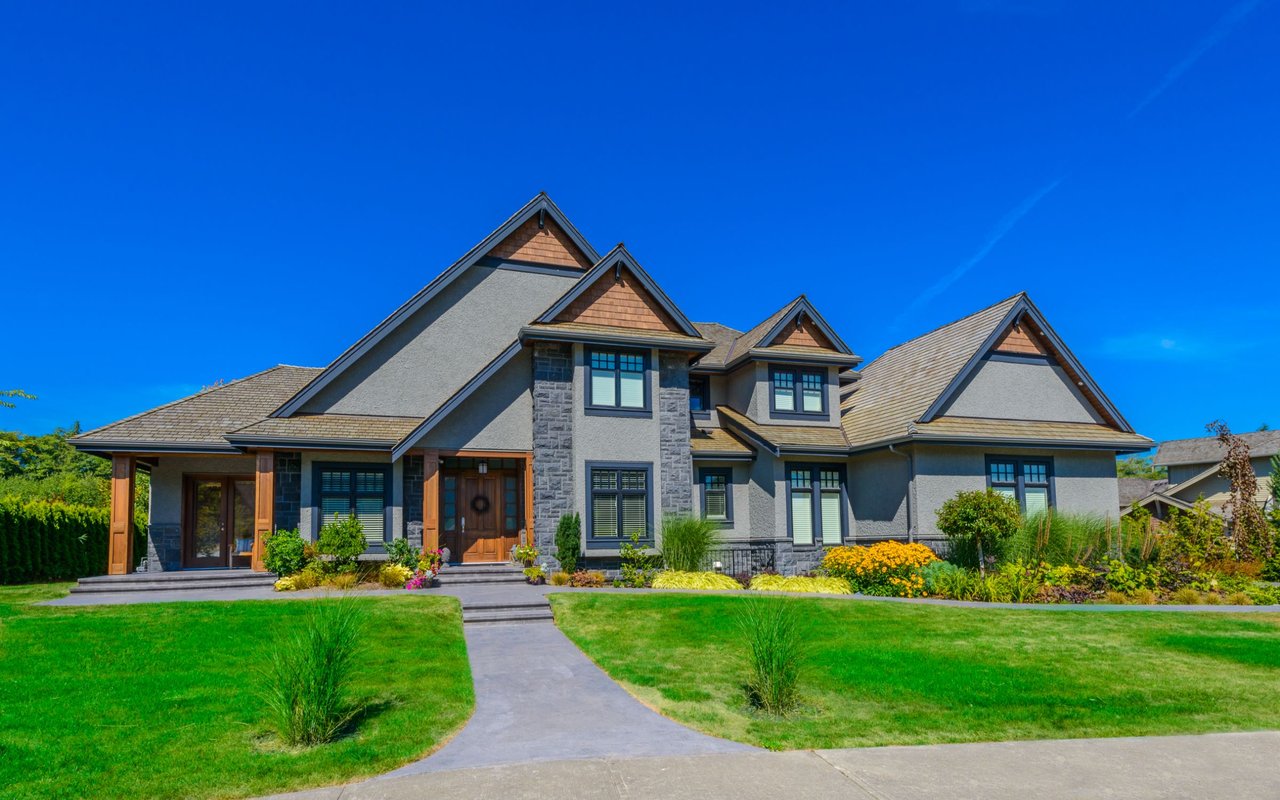
115 N Castle Heights Blvd Lebanon TN 37087